



If there's one thing that comes up frequently when I'm talking to drivers with repeat DPF problems, it's this: the vehicle is being used almost exclusively for short journeys.
School runs, short commutes, and trips to the shops. The modern diesel is built around complex emissions systems that were never designed for short journeys, and the results are predictable.
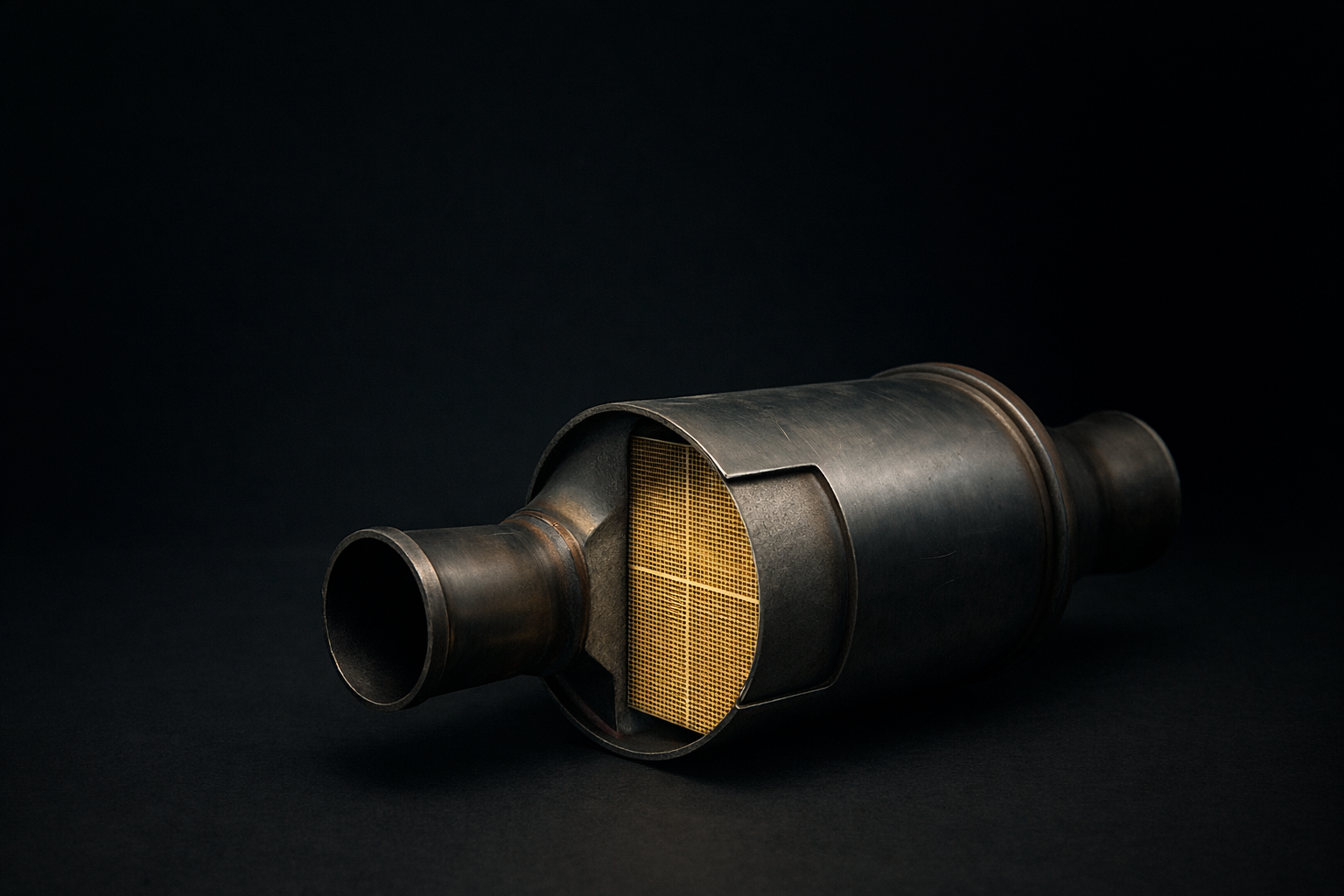
Why diesels need longer runs
The Diesel Particulate Filter works by trapping soot particles from the exhaust before they reach the atmosphere. It does the job well. But it can only hold so much, and it needs to empty itself periodically. This is called regeneration.
During passive regeneration, the filter burns off accumulated soot using the heat of normal exhaust gases. This typically happens during extended driving, when the engine is under sustained load and exhaust temperatures have reached a sufficient level, usually above 550–600℃, to ignite the soot.
Short journeys seldom produce the required temperatures, and the engine barely reaches full operating temperature. The system remains too cool to burn off the soot, so the DPF keeps filling up. Regeneration never completes or even starts, and eventually the filter reaches a saturation level where the ECU throws a warning light.
What happens when regeneration fails repeatedly
When passive regeneration can't occur, modern ECUs will attempt active regeneration by injecting a small amount of fuel late in the combustion cycle to artificially raise exhaust temperatures. You might notice the engine running differently or the cooling fans staying on longer than usual. This is normal.
However, active regeneration also needs a minimum speed and run time to complete. If you're driving at 30mph around town and the journey is short, active regeneration won't finish either. The ECU aborts and tries again later.
If this carries on long enough, the DPF reaches a point where the ECU decides it can no longer safely attempt regeneration on its own. At that point, a warning light appears, and you're looking at either a sustained motorway drive to manually regenerate, or, if it's left too long, a visit to a garage for a forced regeneration or professional cleaning.
The oil problem many don't consider
There's a related issue that makes short-journey DPF problems worse: engine oil getting into the combustion chamber.
Every diesel engine produces some oil mist through the breather system. On a warmed-up engine doing longer runs, this is managed well. In an engine that's constantly cold and running below operating temperature, the oil doesn't fully burn during combustion. It contributes to the DPF soot load, and unlike carbon soot, the ash from burned oil cannot be removed by regeneration.
Ash accumulation is permanent. Over time, it reduces the usable volume of the DPF and shortens its effective life, regardless of how well you manage regeneration.
This is one reason engine oil specifications matter in diesel engines. Low-ash (or mid-SAPS) oils are specifically designed for DPF-equipped vehicles to limit this ash loading. Using the wrong oil can make the problem worse over time.
What you can actually do about it
The honest answer is that if your diesel's primary use is short journeys, it's not the ideal tool for the job. Diesel engines are designed for sustained higher-speed driving. Using a diesel predominantly for short runs will leave you battling with the emissions systems.
That said, most people can't simply switch vehicles. So here are practical steps that can genuinely help.
Take it for a run periodically. Once a week or fortnight, get on a motorway or dual carriageway and drive for at least 20–30 minutes at a sustained speed in a lower gear to keep RPM above 2,500. This gives passive regeneration a chance to complete.
Pay attention to the signs. If the DPF light comes on, don't ignore it, hoping it goes away. Take it for that extended drive before the saturation level gets worse. The earlier you catch it, the easier it is to clear.
Use the right engine oil. Check your vehicle handbook for the correct specification. For most modern diesels, this will be a low-SAPS oil.
Consider an ongoing fuel treatment. A high-quality fuel conditioner that improves combustion efficiency can meaningfully reduce soot production, thereby extending the time between regenerations and reducing the overall load on the DPF. It won't eliminate the problem, but it can make short-journey diesel ownership more manageable.
Check for underlying faults. If the DPF keeps blocking despite reasonable driving habits, something else is contributing: leaking injectors, EGR issues, or excessive oil consumption. These need a proper diagnostic check, not another can of cleaner.
Understanding why it fails is the first step to managing it. The second step is to be honest about whether your driving patterns are compatible with diesel ownership, and, if not, to adjust either the patterns or the vehicle.
For further information, read my Comprehensive DPF Cleaning Guide.